Shrinkage of Wood
shrink
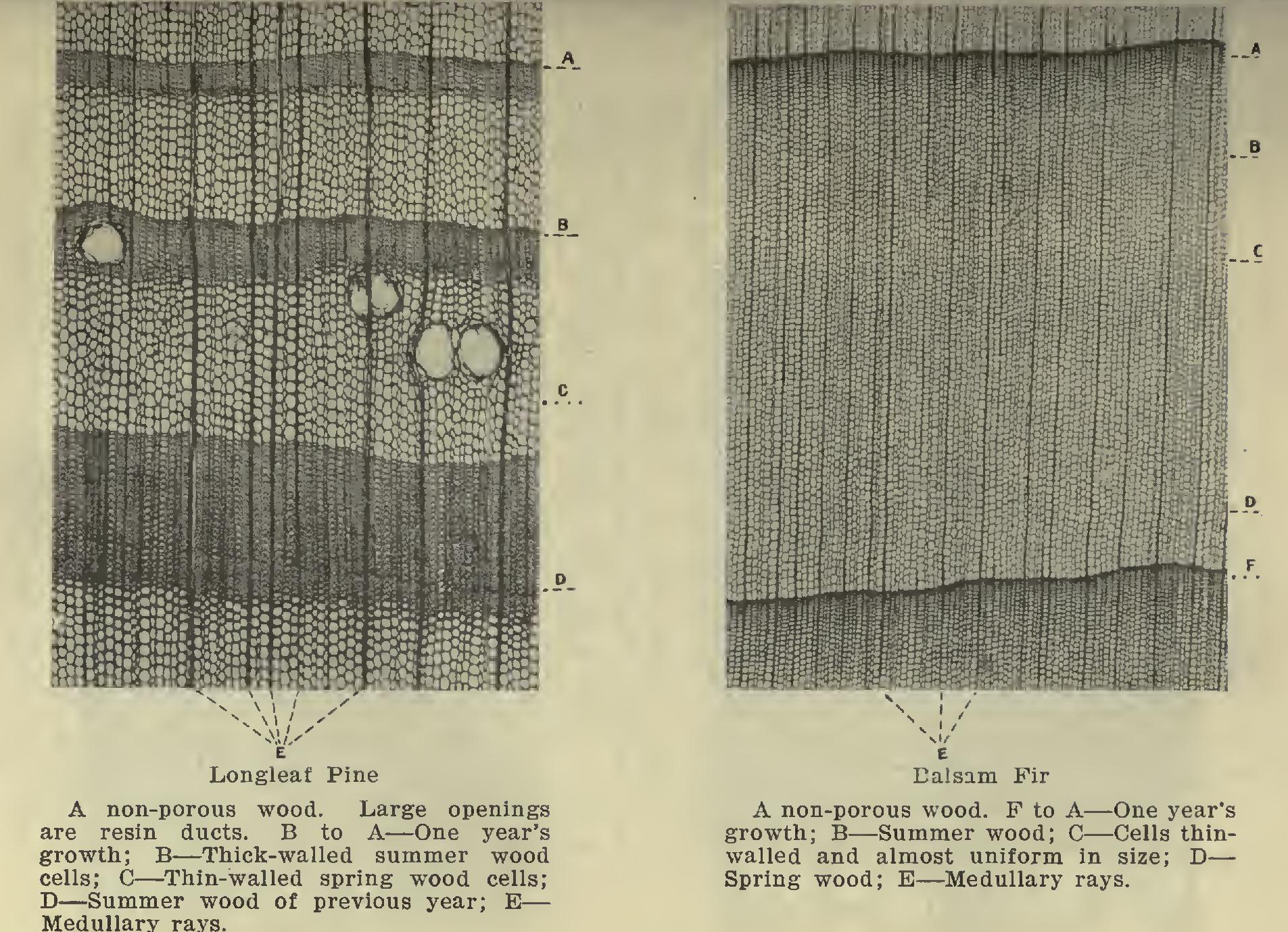
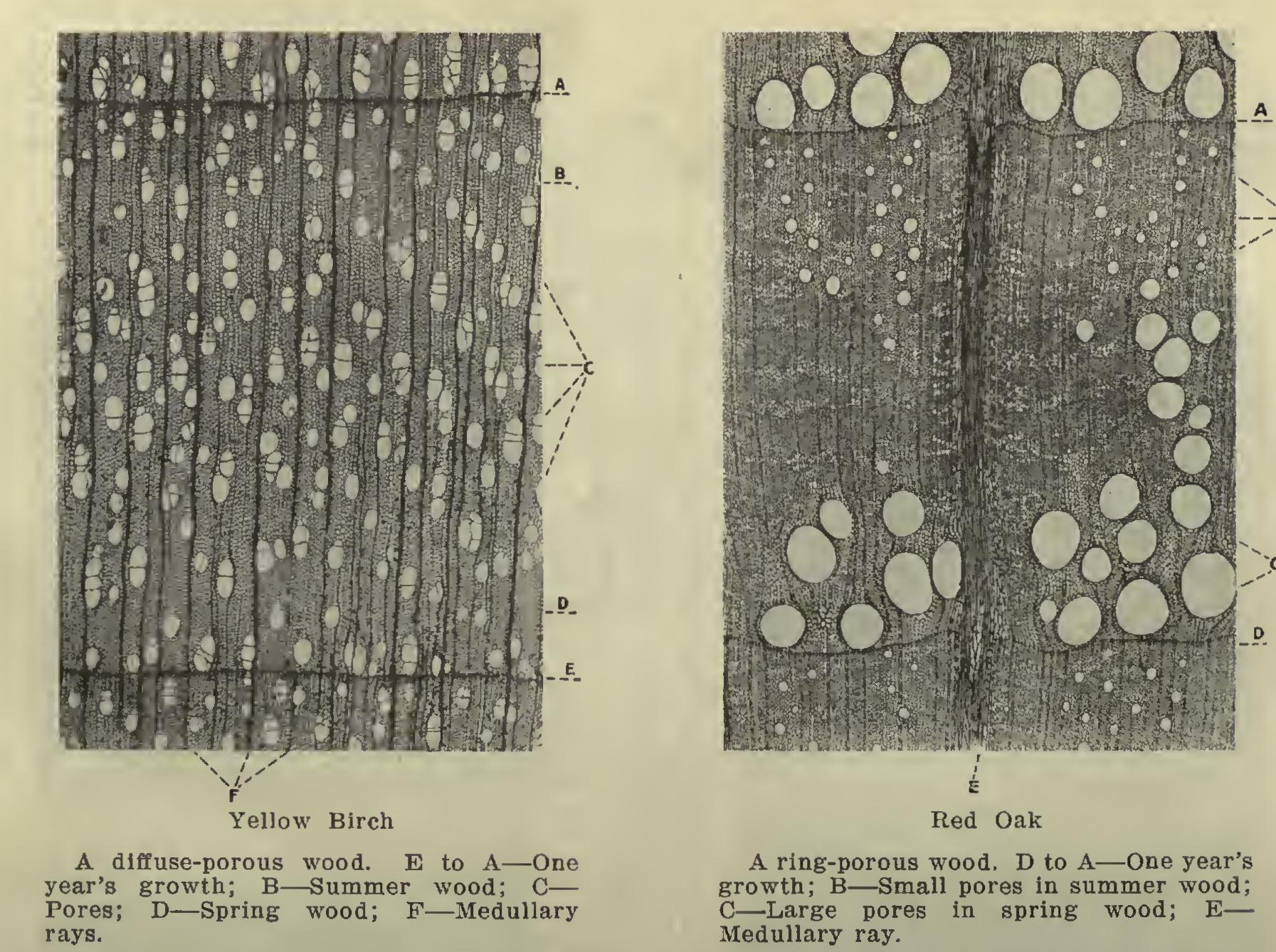
SHRINKAGE OF WOOD The amount which wood shrinks in passing from green to dry condition, is one of its most important properties. Shrinkage varies with the kind of timber, degree of seasoning, method of drying, and manner in which the piece is cut from the tree. Quarter-sawed timber shrinks less than slash-sawed; some methods of drying cause much greater shrinkage than others; and, as a class, the softwoods shrink less than the hardwoods. Moreover, shrinkage is chiefly across the grain; that is, a board loses breadth and thickness, but practically nothing in length, when it seasons.
Among softwoods, the cedars and white pines shrink the least. The spruces, firs, and softer pines shrink a medium amount; and longleaf pine and tamarack, the most. Among hardwoods, locust, osage orange, butternut, and black cherry shrink little; ash, elm, and maple, an average amount; and basswood, white oak, birch, and hickory, the most. Because of their more complex structure, the hardwoods also require greater care in seasoning than do the softwoods, to prevent warping and checking.