Specifications for Wood Block Paving
blocks and inches
SPECIFICATIONS FOR WOOD BLOCK PAVING The Association for Standardizing Paving Specifications has adopted the following specifications for paving with creosoted wood blocks: Timber.The wood to be treated shall be Southern yellow pine, Norway pine, Douglas fir, or tamarack; but only one kind of wood shall be used in any one contract.
Yellow pine blocks shall be made from what is known as Southern yellow pine; and shall be well manufactured, full size, saw-butted, all.square edges, and free from all defects, such as checks, unsound, loose or hollow knots, knot-holes, worm-holes, through shakes, and round shakes that show on the surface. In yellow pine timber, the annular rings shall average not less than 7 to the inch, and shall in no case be less than 5 to the inch, measured radially from the heart so as to include the greatest number of rings possible.
Norway pine, Douglas fir, and tamarack blocks shall be cut from timber that is first-class in every respect, and shall be of the same grade as that defined for Southern yellow pine.
Size of Blocks.
The blocks shall be from 5 to 10 inches long, but shall average 8 inches; they shall be from 3 to 4 inches in width; and they shall be 4 inches in depth.* The blocks used in any one street or improvement, however, shall be of uniform width; and there shall be always a difference between the width and depth of the blocks of not less than 1/4 inch.
A variation of inch shall be allowed in the depth, and 1/8 inch in the width, of the blocks.
Treatment.The blocks shall be treated with the preservative under pressure, and shall at no time be subjected to a temperature of over 240 degrees F. They shall, after treatment, show satisfactory penetration of the preservative ; and all blocks that have been warped, checked, or otherwise injured in the process of treatment, shall be rejected.
The blocks shall be treated with the preservative so that they shall contain not less than 18 pounds per cubic foot.
* Note—The depth of the blocks may be reduced to 3i inches in medium-traffic streets, and to 3 inches on light-traffic streets or alleys. The width and depth of the blocks, however, must never be equal. In case blocks 3 inches in depth are used, they shall not exceed 8 inches in length.
(Note—This amount may range from sixteen to twenty pounds, at the discretion of the Engineer, dependent on local conditions.) Foundation.The base shall be of concrete made of the materials and in accordance with the methods prescribed in the specifications for cement and concrete adopted at the 1913 meeting, and shall be not less than 6 inches thick at all points.
(Note—The thickness of the concrete base may be reduced to 5 inches on light-traffic streets, and, in exceptional cases, to 4 inches, at the discretion of the Engineer.) Sand Cushion.The blocks shall be laid on a cushion of clean, coarse sand 1 inch in thickness, which shall be struck to a surface parallel with the grade and contour of the finished pavement.
Mortar Cushion.
Before placing the cushion, the surface of the concrete shall be cleaned and thoroughly dampened. A layer of sand and cement 1 ineh in thickness, mixed dry in the proportion of 1 part Portland cement to 4 parts sand, shall be spread upon the concrete foundation, and struck to a surface parallel to the, grade and contour of the finished pavement.
This cushion of sand and cement, unless previously moistened, shall be lightly sprinkled with water; and the blocks shall be immediately set thereon.
(Note—Under special conditions, particularly where vibration may be expected, the sand or mortar cushion may be omitted, and a bituminous coating, spread upon a smoothly finished and thoroughly dry concrete base, substituted therefor.) Filler. When the blocks are laid upon the sand cushion, the joints between the blocks shall be filled with a suitable bituminous filler. When the blocks are laid upon a mortar or bituminous cushion, the joints may be filled with sand.
Expansion Joints.
A longitudinal expansion joint not less than inch in width, and filled with a suitable bituminous filler, shall be placed along the curbs.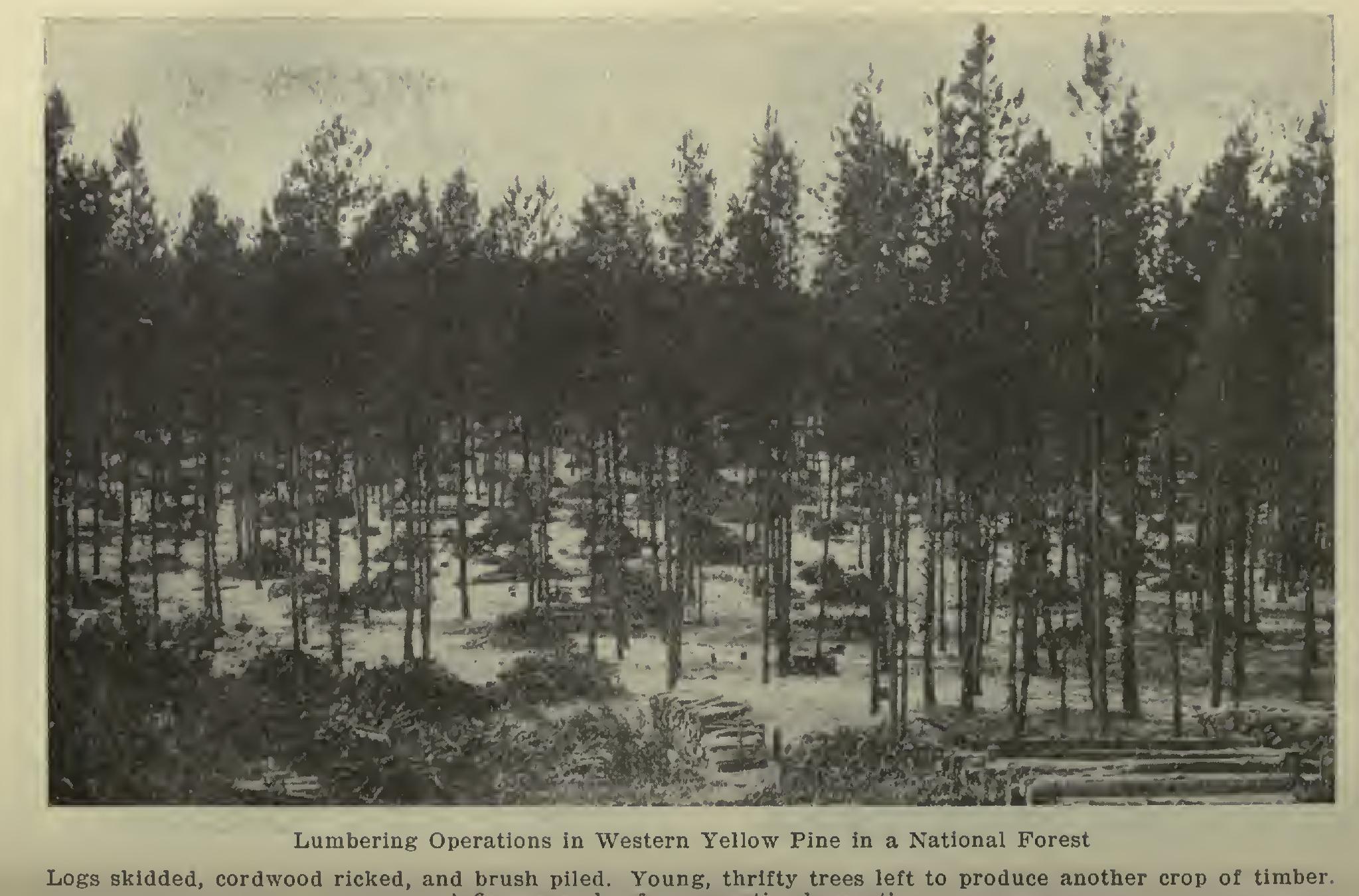
The specifications for the creosote to be used are also defined very closely. The city engineer who follows throughout the standards set by the Association can be certain of a superior pavement of great durability.