WARS OF THE GERMANS In the time of Augustus the most powerful ruler in Germany was Maroboduus, king of the Marcomanni. His supremacy ex tended over all the Suebic tribes (except perhaps the Hermun duri), and most of the peoples of eastern Germany, including the Lugii and Goths. But in A.D. 17 he became involved in an unsuc cessful campaign against Arminius, prince of the Cherusci, in which the Semnones and Langobardi revolted against him, and two years later he was deprived of his throne by a certain Catualda. The latter, however, was soon expelled by Vibilius, king of the Hermunduri, and his power was transferred to Van nius, who belonged to the Quadi. About the same time Arminius met his death while trying to make himself king of the Cherusci. In A.D. 28 the Frisians revolted from the Romans, and though they submitted again in 47, Claudius immediately afterwards re called the Roman troops to the left bank of the Rhine. In 58 the Chatti suffered a serious disaster in a campaign against the Hermunduri. They recovered very soon, and at the end of the 1st century had extended their power at the expense of the Cherusci. During the latter part of the 1st century the Chauci were enlarging their territories: as early as 47 we find them raiding the Roman lands on the lower Rhine, and in 58 they expelled the Ampsivarii. During the last years of the 1st century A.D. the Angrivarii are found moving westwards probably under pressure from the Chauci, and the power of the Bructeri was almost destroyed by their attack. In 69 the Roman territory on the lower Rhine was disturbed by the revolt of Claudius Civilis (q.v.) a prince of the Batavi who had served in the Roman army. He was defeated by Petillius Cerealis at Vetera and arranged a capitulation in A.D. 7o.
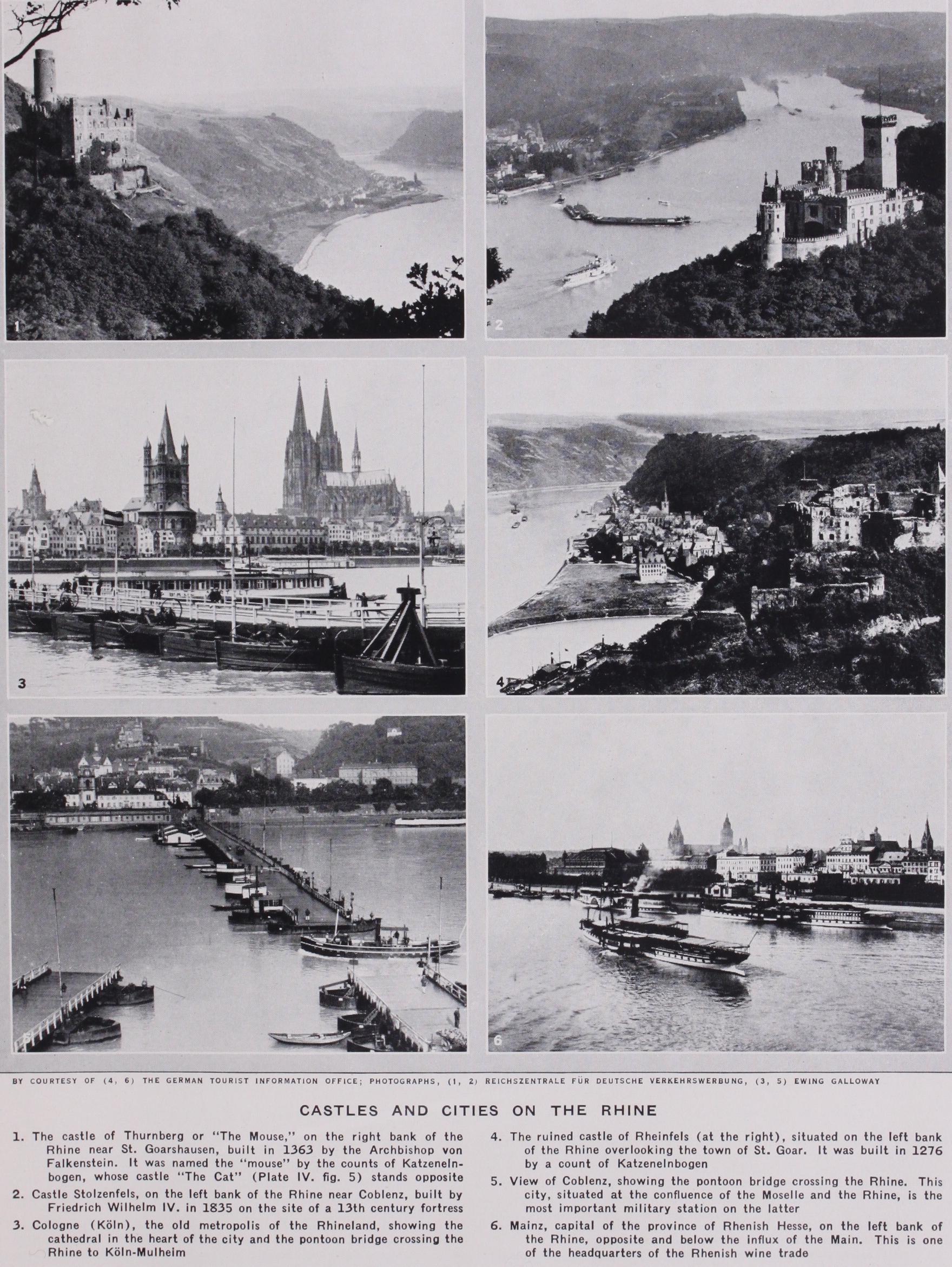
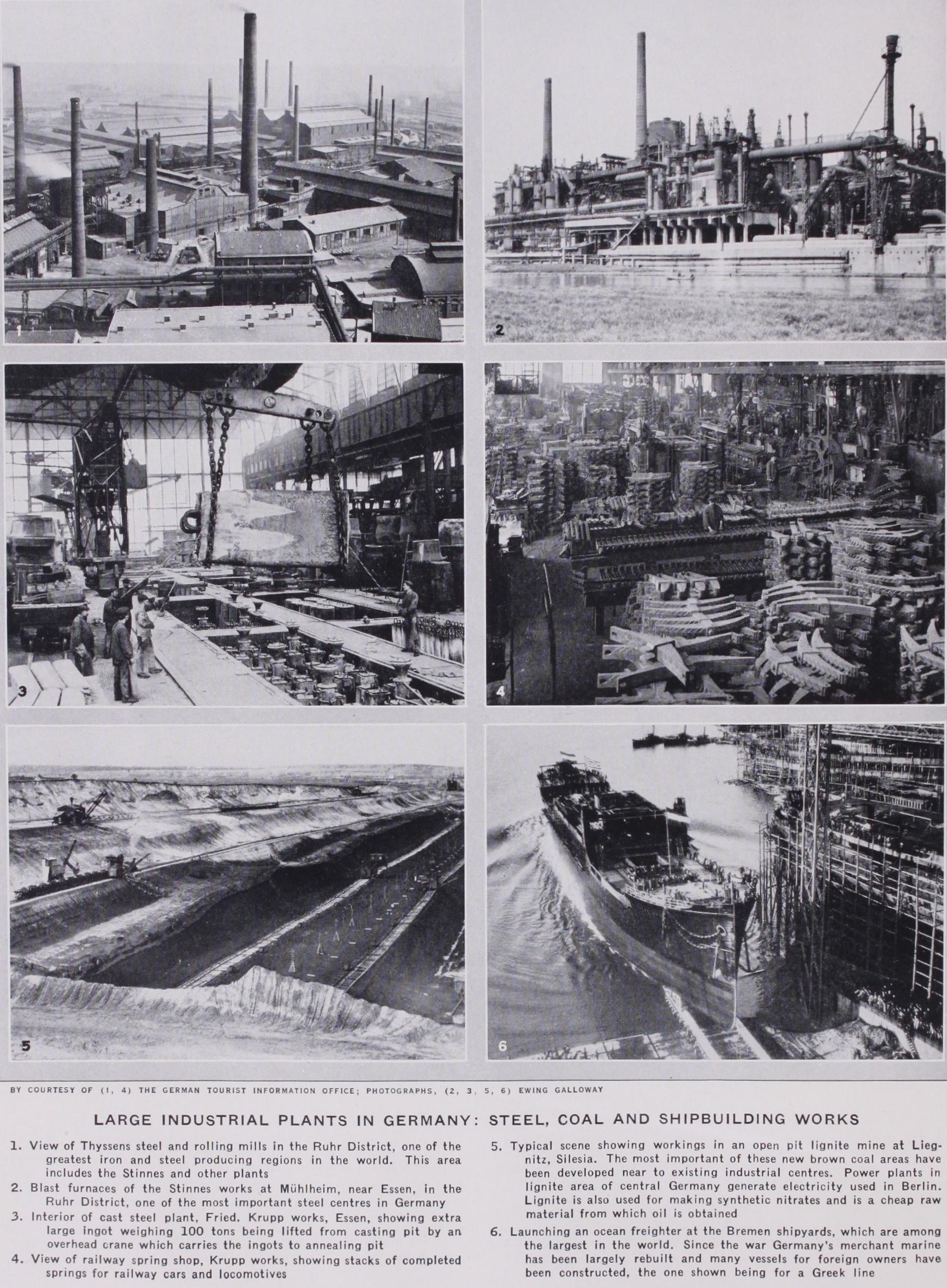
After the time of Tacitus our information regarding German affairs
extremely meagre. The next important conflict with the Romans was the Marcomannic War (166-18o), in which all the Suebic tribes, together with the Vandals (apparently the ancient Lugii) and the Sarmatian Iazyges, seem to have taken part. Peace was made by the emperor Commodus in A.D. 18o on payment of large sums of money.
About the beginning of the 3rd century we find a forward movement in south-west Germany among a group of tribes known collectively as Alamanni (q.v.), who came in conflict with the emperor Cara calla (q.v.) in the year
About the same time the Goths made their appearance in the south-east and soon became the most formidable antagonists of Rome. In the year 251 they defeated and slew the emperor Decius, and in the reign of Gallienus their fleets, setting out from the north of the Black Sea, worked great havoc on the coast of the Aegean (see GOTHS). About the middle of the 3rd century the name Franks (q.v.) makes its appearance, apparently a new collective term for the tribes of north-west Germany from the Chatti to the mouth of the Rhine.
In the 4th century the chief powers in western Germany were the Franks and the Alamanni, both of whom were in constant conflict with the Romans. The former were pressed in their rear by the Saxons, who at some time before the middle of the 4th century invaded and conquered a considerable part of north-west Germany. The Burgundians made their appearance in the west shortly before the end of the 3rd century, settling in the basin of the Main, and some portions of the north Suebic peoples, perhaps the ancient Semnones, had already moved westward. By the middle of the 4th century the Goths had become the dominant power in eastern Germany, and their king Hermanaric held a supremacy which stretched from the Black Sea to Holstein. At his death, the supremacy of eastern Germany passed to the Huns (q.v.), an invading people from the east, whose arrival produced a complete displacement of population in this region. With regard to the course of events in eastern Germany we have no knowledge, but during the 5th century, several of the peoples previously settled there made their way into the lands south of the Carpathians and Riesengebirge, amongst whom (besides the Goths) may be mentioned the Rugii and the Gepides. We do not know how far northward the Hunnish power reached in the time of Attila (q.v.), but the invasion of this nation was soon followed by a great westward movement of the Slays.
In the west the Ala manni and the descendants of the Marcomanni, now called Baiovarii (Bavarians), had broken through the frontiers of the Roman provinces of Vindelicia and Noricum at the beginning of the 5th century. About 435-440 the Burgundians were overthrown by Attila, and their king Gunthacarius (Gundahar) killed. The remains of the nation shortly afterwards settled in Gaul. About the same time the Franks overran and occupied the modern Belgium, and in the course of the next half-century their dominions were enormously extended towards the south (see FRANKS). After the death of Attila in 453, the power of the Huns soon collapsed.
