Rules of Lawn Tennis the Singles Game I
player, set, wins, score, called, games and players
21. In case a player is hindered in making a stroke by anything not within his control, except a permanent fixture of the court, the point shall be replayed.
22. If a player wins his first point, the score is called 15 for that player; on winning his second point, the score is called 3o for that player ; on winning his third point, the score is called 40 for that player, and the fourth point won by a player is scored game for that player, except as below : If both players have won three points, the score is called deuce; and the next point won by a player is scored advantage for that player. If the same player wins the next point, he wins the game; if the other player wins the next point the score is again called deuce ; and so on until a player wins the two points im mediately following the score at deuce, when the game is scored for that player.
23. The player who first wins six games wins a set except as below : If both players have won five games, the score is called gamesall, and the next game won by a player is scored advantage game for that player. If the same player wins the next game, he wins the set ; if the other player wins the next game, the score is again called games-all; and so on until a player wins two games more than his opponent, when the set is scored for that player.
24. The players shall change sides at the end of the first, third and every subsequent alternate game of each side, and at the end of each set unless the total number of games in such set be even, in which case the change is not made until the end of the first game of the next set.
25. The maximum number of sets in a match shall be five, or, where women take part, three.
26. Except where otherwise stated, every reference in these rules to the masculine includes the feminine gender.
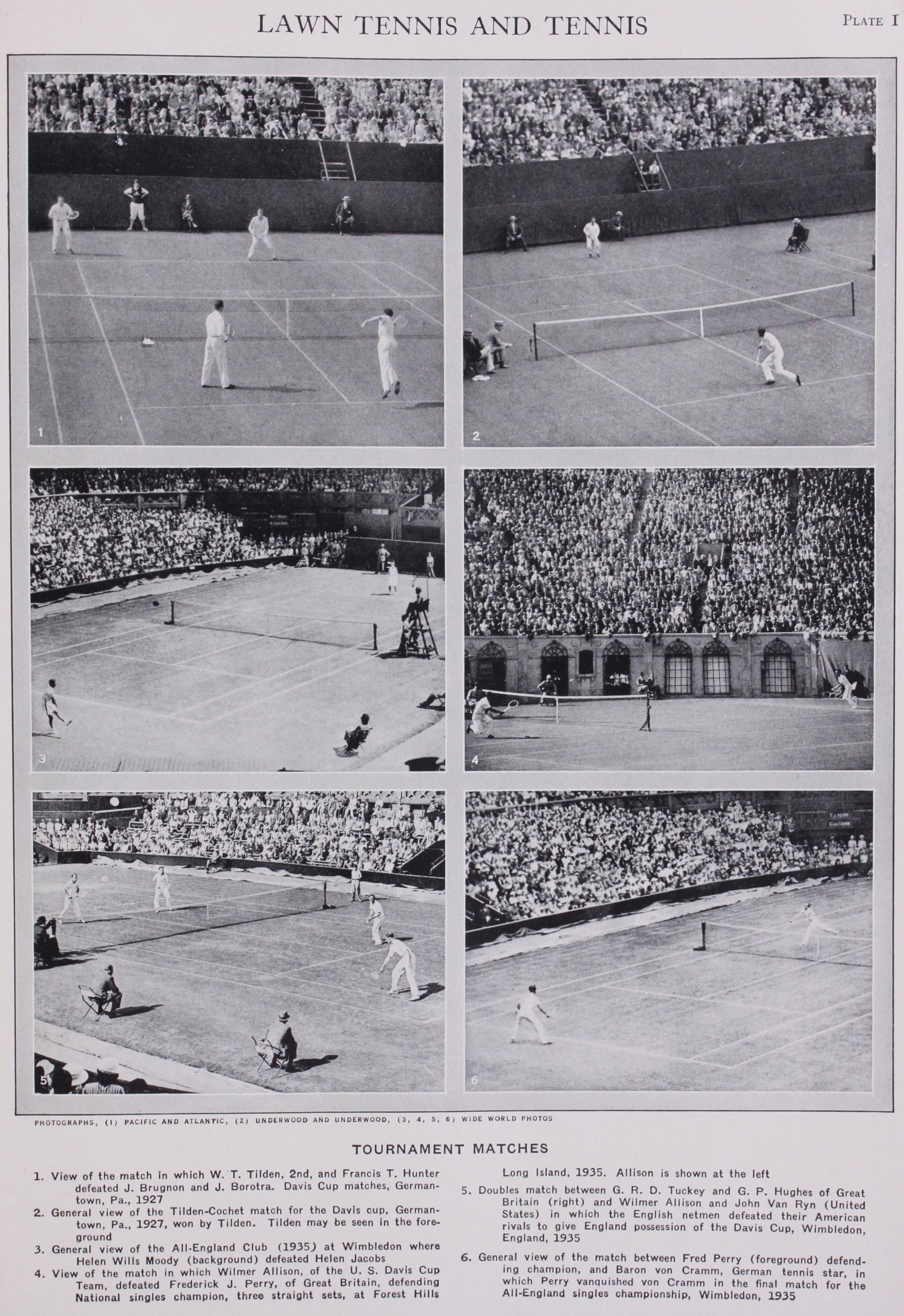
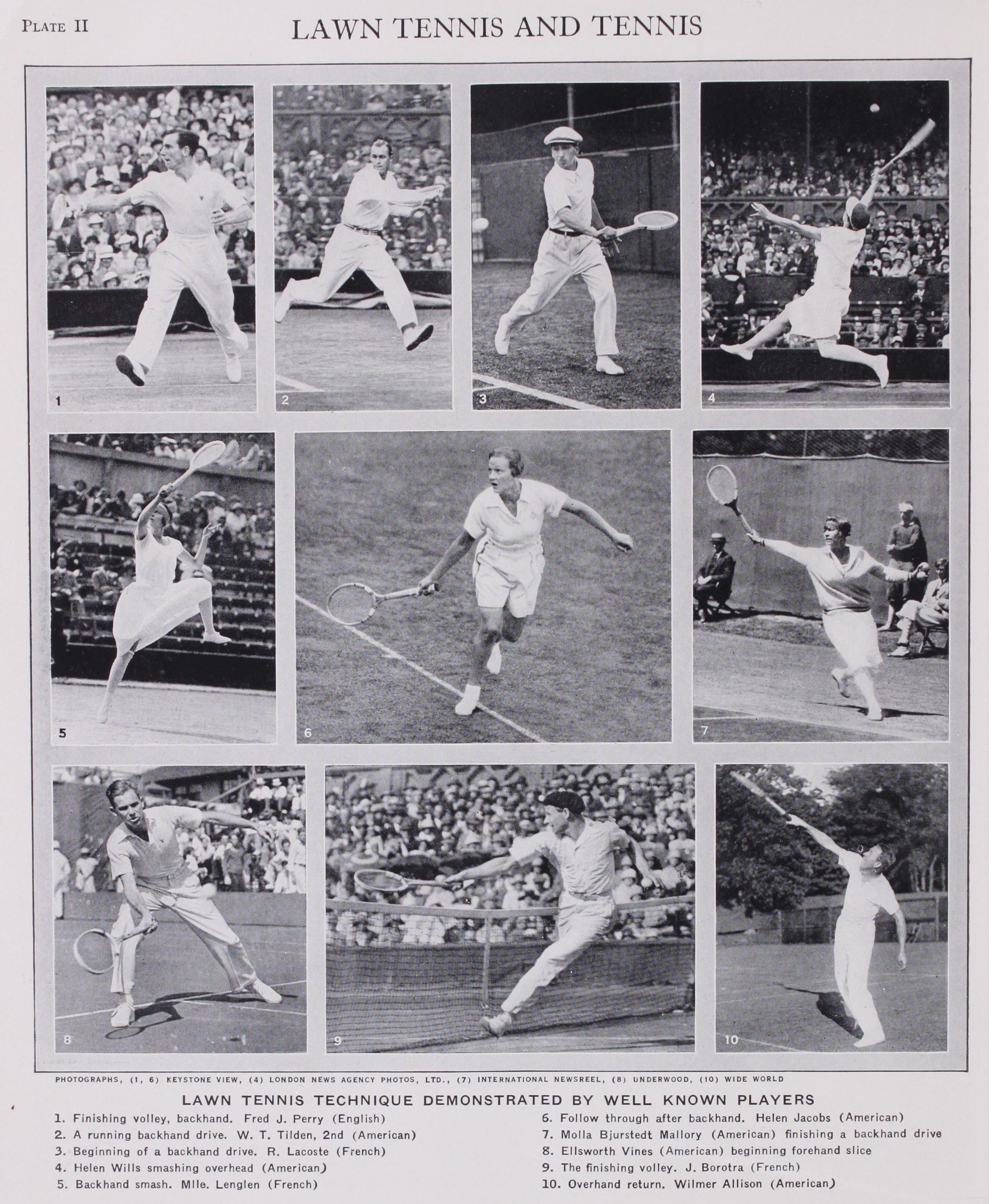
27. In matches where an umpire is appointed, his decision shall be final; but where a referee is appointed, an appeal shall lie to him from the decision of an umpire on a question of law, and in all such cases the decision of the referee shall be final. The referee, in his discretion, may at any time postpone a match on account of dark less or the condition of the ground or the weather. In any case of postponement the previous score and previous occupancy of courts shall hold good, unless the referee and the players unanimously agree otherwise.
28. Play shall be continuous from the first set until the match be concluded; provided that after the third set, or when women take part, the second set, either player is entitled to a rest, which shall not exceed ten minutes, and provided further that when necessitated by circumstances not within the control of the players, the umpire may suspend play for such a period as he may consider necessary. These provisions shall be strictly construed, and play shall never be suspended for the purpose of allowing a player to recover his strength or his wind. The umpire shall be the sole judge of intentional delay, and after giving due warn ing he may disqualify the offender.
Note.—Any nation is at liberty to modify the first provision of this rule or omit it from its regulations governing tournaments, matches or competitions held in its own country, other than the International Lawn Tennis Championship (Davis cup).
29. The above rules shall apply to the doubles game except as below.
3o. For the doubles game, the court shall be 36 ft. in width, i.e., 42 f t. wider on each side than the court for the singles game, and those portions of the singles side-lines which lie between the two service-lines shall be called the service-side-lines. In other respects the court shall be similar to that described in rule 1, but the portions of the singles side-lines between the base line and the service-line on each side of the net may be omitted if desired.
31. The pair who have the right to serve in the first game of each set may decide which partner shall do so, and the opposing pair may decide similarly for the second game. The partner of the player who served in the first game shall serve in the third; the partner of the player who served in the second game shall serve in the fourth, and so on in the same order in all the sub sequent games of a set. The order of service having been ar ranged may not be altered during the set, but it may be changed at the beginning of each new set. Similarly, the receivers may not change places. with each other for the purpose of receiving the service before the end of a set, but they may do so at the be ginning of a new set.