Estimating Cost of Construction
contractor, contract, engineer, clauses, road, bids, architect, insurance and railroad
(b) As the business of the engineer or archi tect is to make designs, and as he is not particu larly concerned with their execution except as an overseer, he seldom has actual experience of what it costs to do work, and is obliged to depend upon his records of contractors' bids on work of the class that he is contemplating. Since his fig ures on these bids are not in sufficient detail to make them applicable to his work except in a general way, he is at a serious disadvantage as compared with a contractor; and his disadvan tage consists specifically in not having at hand a large number of facts which go to make up the contractor's cost. The engineer or architect seldom considers—because it has not been brought to his attention—the fact that the con tractor must pay from 1 to 10 per cent of his pay roll for liability insurance, and, after he has paid for liability insurance, he has such items as bad bills, lawsuits (outside of his liability insurance), discounts, and the like, all of which have to be taken care of by his average receipts. The esti mating architect is therefore prone to make use of published data of costs, without adding any thing for these special contingencies, thus fre quently getting into serious trouble.
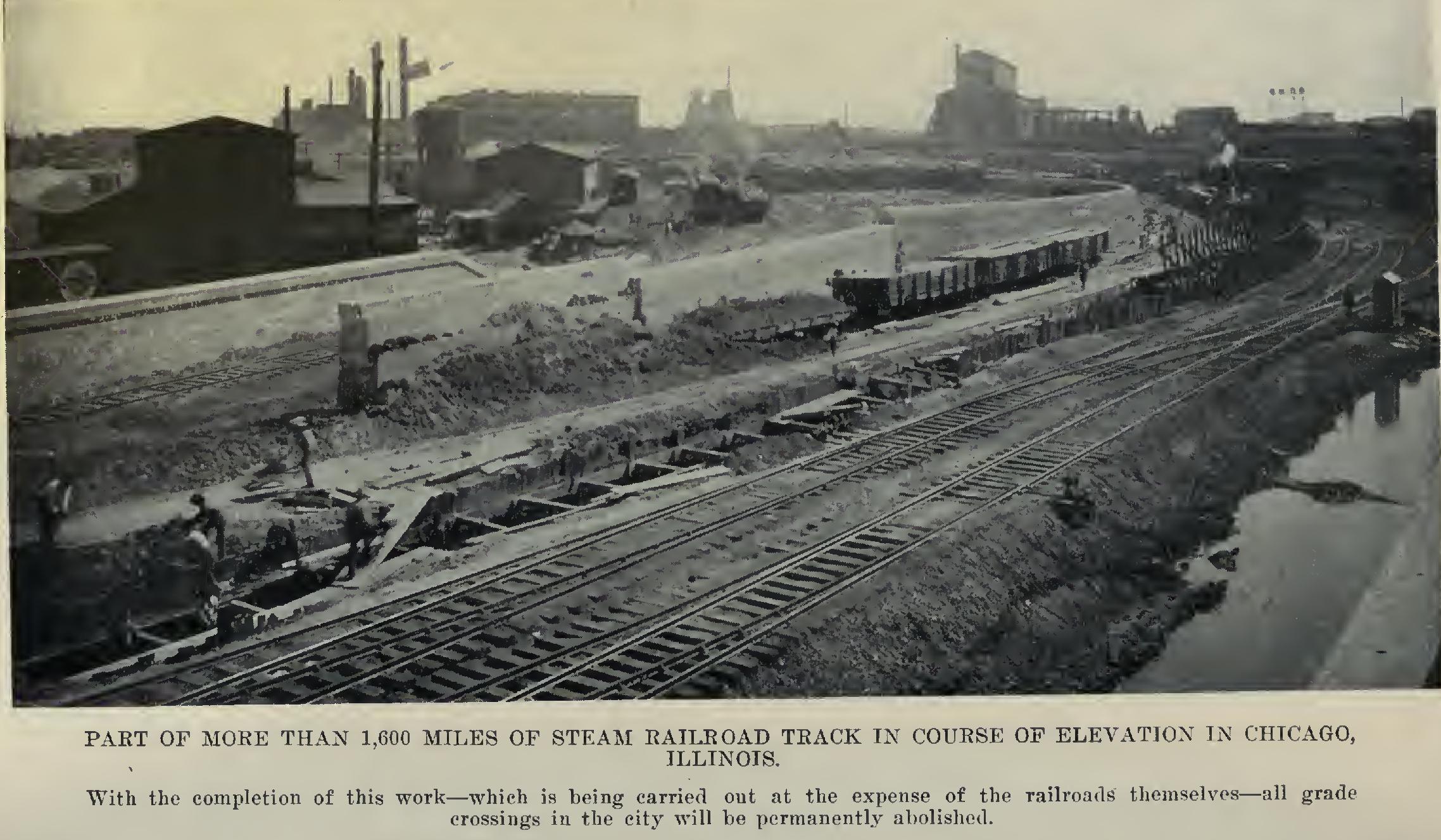
(c) The owner, or his representative, draws a contract which the contractor is ex pected to sign; and this contract contains clauses intended for the reasonable protection of the owner, but which are too often liable to result in an unreasonable hardship upon the contractor. The owner's engineer—be it said to the credit of the profession—is, in the large majority of cases, both fair-minded and unprejudiced; and it has long been a maxim of the engineering profession to give a contractor the benefit of any doubt as to the interpretation of any specific clauses. Often the man who draws a contract by way of insurance puts in clauses which are intended for, protection against certain contingencies, but which may become operative in a number of other ways; and the contractor is obliged to put on a high price, rather than run the risk of large financial loss iu the event of such clauses becom ing operative. The following is a clause taken from the standard steel specifications of a large railroad: "The Contractor shall so conduct his work as not to interfere in any way with the operations of the road or with the work of other contractors, or close any thoroughfare, by land or water, ex cept by the special permission of the Chief En gineer. The erection shall be carried on with despatch, and in such manner as may be desig nated by the Chief Engineer." This sort of clause, if enforceable, is one that makes the Chief Engineer the absolute arbiter or controller of the financial success or failure of the contractor on the work. To build a bridge
on a railroad that is in full operation, in such manner as not to interfere in any way with the operations of the road, is one of those amusing inconsistencies that cost money. The author has had to do with many railroad bridges, and yet has to meet with a single instance in which a rail road bridge was built under traffic without in some measure interfering with the operations of the road. Such a clause as this means, of course, that the contractor must do his work with the minimum reasonabe interference with the rail road; but it does not say so, and a contractor signing a contract with such a clause puts his head in the lion's mouth, and bids accordingly— often to the engineer's surprise and humiliation. Ambiguous specifications will force a careful contractor to bid high, and, by offering a reckless contractor an inducement to bid low, will result in almost surely placing the contract where it will be inefficiently performed. The reckless con tractor is not generally a good manager; and the careful contractor, if he gets the contract, will require more money than he would have been willing to work for had the specifications been precise.
(d)
When work is done under national, state, or municipal authority, the law usually provides that the contract shall be let to the low est responsible bidder; and everyone has an op portunity to bid. On private or railroad work, on the other hand, usually a selected number of contractors are invited to bid. In the former case, the architect or engineer has to guard against a contractor taking advantage of loose clauses, and must fortify himself—which lie usu ally making the terms as much one sided as he can. The contractor who knows him personally, who knows the object for which the strict clauses were drawn and the extent to which they are to be enforced on the work, is thus enabled to make much lower prices than the man to whom the individual in charge is an en tire stranger. This accounts for part of the large diversity of bids on any public work, and is a further reason why such bids, when published, are a very poor basis on which to make esti mates.
2. The Contractor. In making estimates, the contractor is generally more expert than the owner's engineer or architect, because he is con tinually being confronted with the financial problem, and naturally makes more of a study of it; nevertheless his estimates are very difficult to make properly, for reasons among which are the following: (a) The contractor rarely, if ever, receives compensation for his labor in preparing an esti mate, and that labor is frequently very consider able; therefore he makes the estimate with as small a cost to himself as possible.