Canada
miles, lake, hudson, lakes, bay, atlantic and water
Pushing on to the west the traveler comes to the foothills of the knack-, behind which tower lofty summits vi- ! Me for SO miles or more in the clear air.
As your train penetrates this barrier you come into British Columbia, the province of the Pacific seaboard, ridged and furrowed by mountain and valley as if some giant had crumpled the whole land in his hand like a sheet of paper. Dense forests cover nearly the whole of the province, yielding only here and there to strips of farmland or cattle ranches.
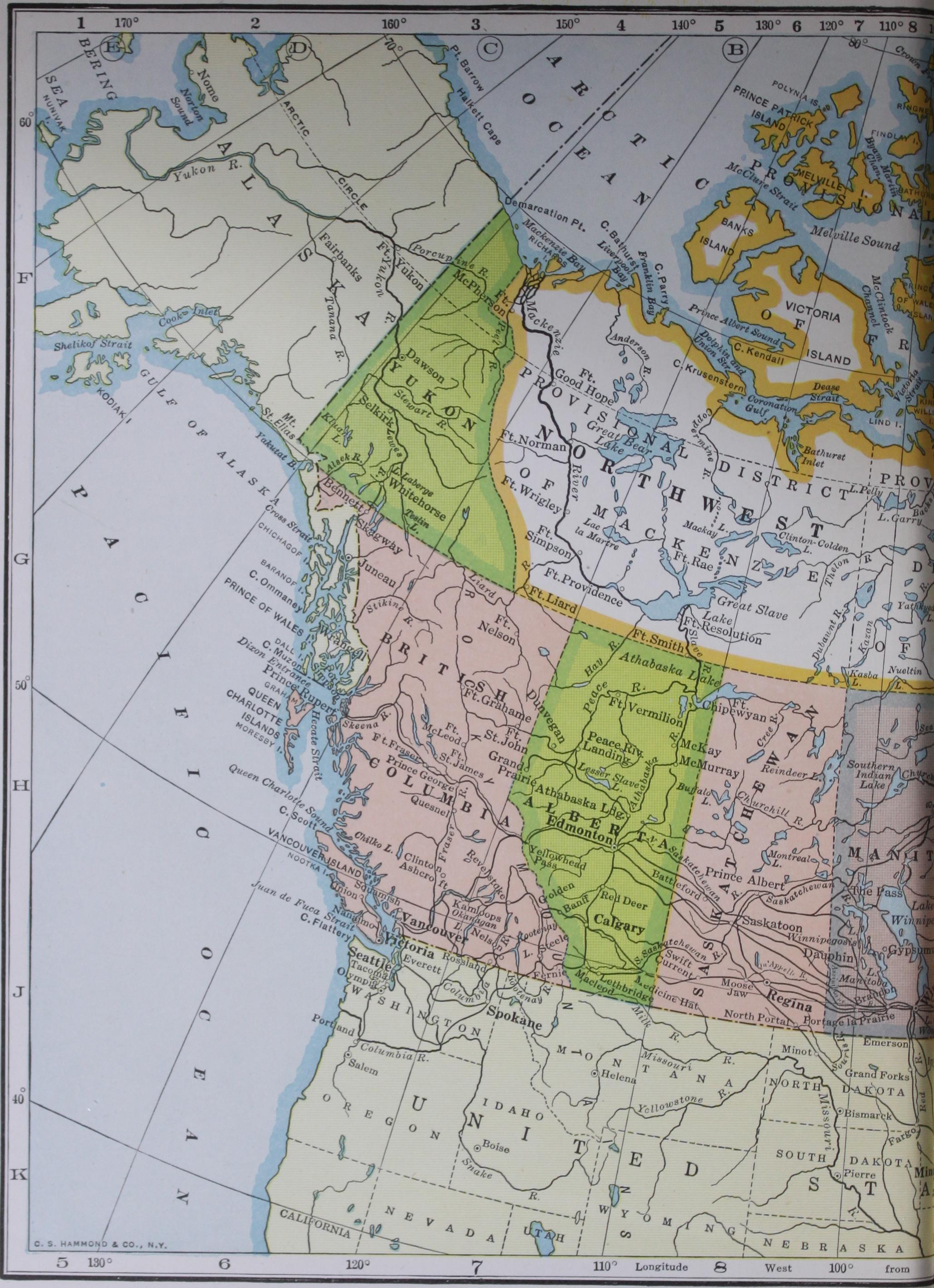
To the north of the 60th parallel of latitude, which forms the boundary of British Columbia and the three prairie provinces, the traveler, if he is adventurous enough to take the unusual journey, will find the almost uninhabited wastes of the Yukon Territory and the Northwest Territories. This vast section of Canada—more than one-third of its entire area—is given over to the miner and the trapper. Forested valleys and mountain slopes and bare uplands cover most of the Yukon region, while much of the North west Territories is in summer covered with lakes, quaking swamp, and arctic tundra. Included in this is the huge district about Hudson Bay known as the Barren Lands.
Here, however, are found millions of valuable fur bearing animals, forming one of the world's greatest fur supplies, and here, too, roam innumerable caribou —at least 30,000,000 according to one authority— which may some day furnish to the world an import ant addition to its meat supply.
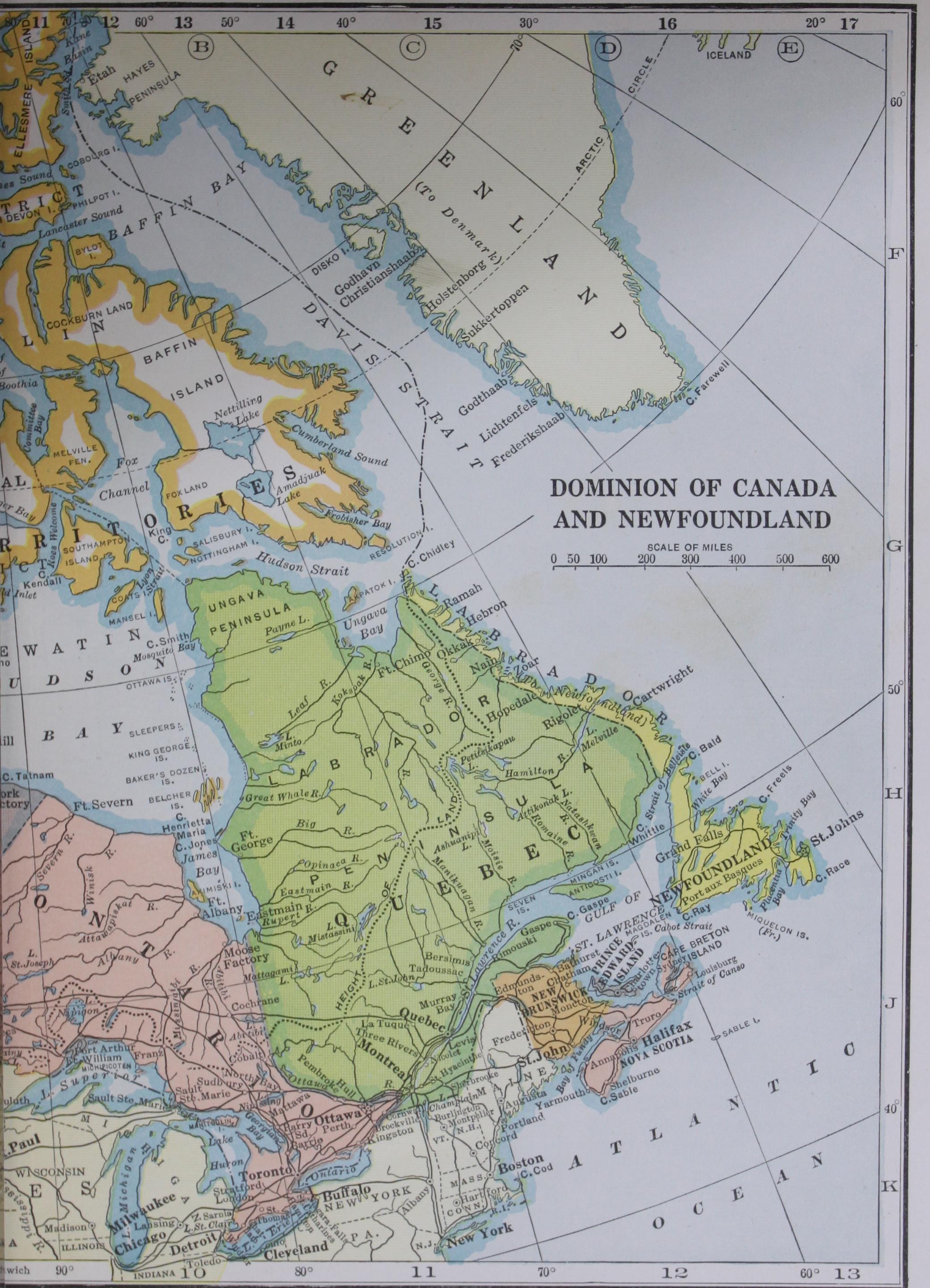
With the exception of the United States, no land is more abundantly endowed with nature's great gift of water. The Atlantic and Pacific oceans wash its shores for 13,000 miles, and Hudson Bay, a huge land locked arm of the Atlantic, reaches from the north far into the heart of the continent. It was by means of the Hudson Bay water route from Europe that some of the early English explorers arrived at the interior plains; and this route is now being made available by the Hudson Bay Railway to Port Nelson and may transport to Europe part of the wheat of the prairie provinces. This railway will effect an average short ening of the distance from the western wheat fields to the Atlantic seaboard of nearly 1,000 miles, and if the navigation proves practicable may save to the farmer millions of dollars yearly in freight charges.
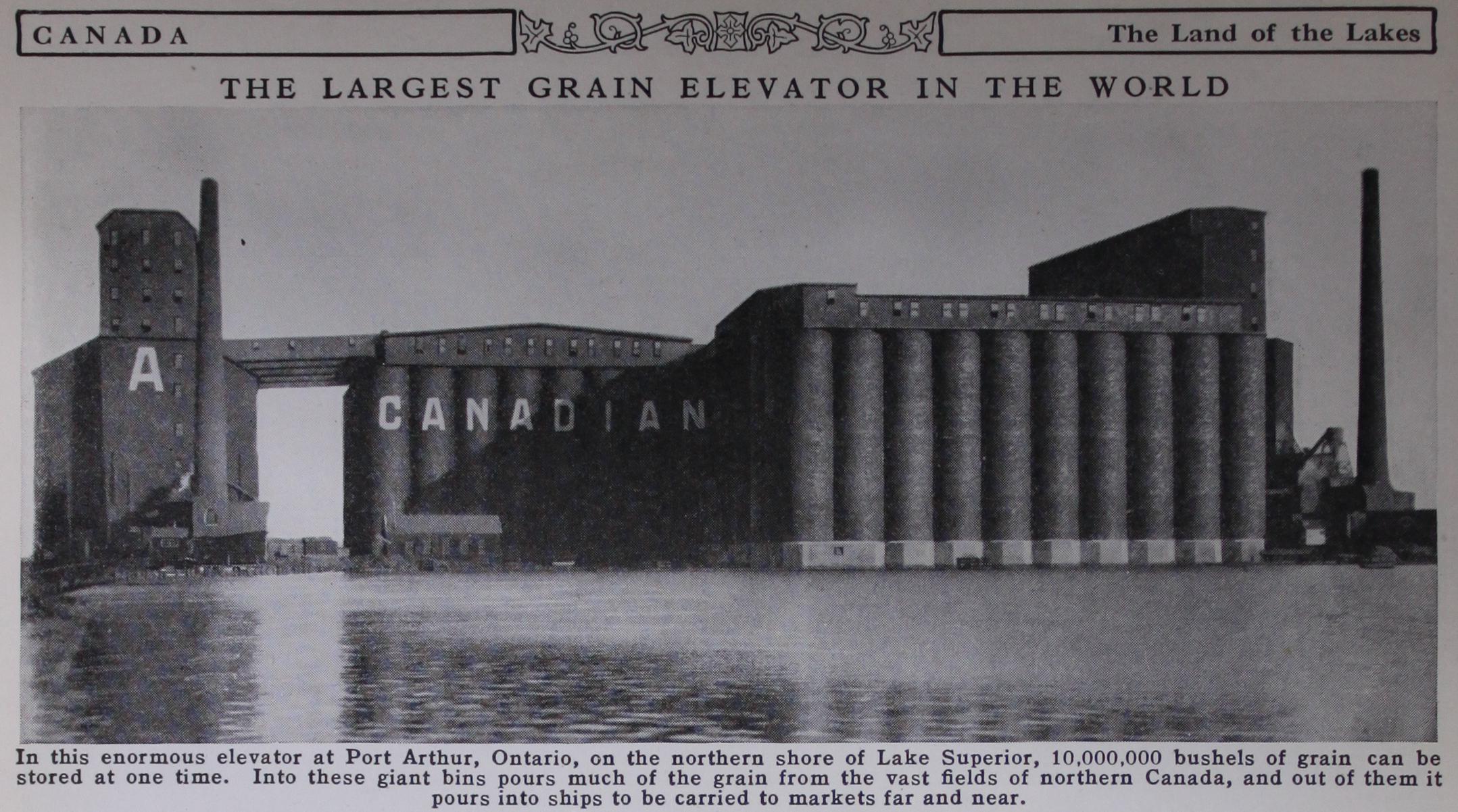
Farther south, the St. Lawrence also opens a broad gateway toward Europe, forming a link in the finest system of interior waterways in the world of rivers, canals, and lakes stretching for 2,400 miles from the Atlantic to the head of Lake Superior.
Two great river sys tems—the Neison Saskatchewan and the Mackenzie -Athabaska —rising in the Rocky Mountains and empty ing respectively into Hudson Bay and the Atlantic Ocean, form erly provided conve nient highways through the plains region, but are now being super seded by railways.
Several rivers of lesser size but scarcely less important for the de velopment of this country are the Church ill, the Red River of the North, the Assinni boine, and the Peace River. The mountain regions of the West also have their great rivers —the Columbia, the Fraser, and the Yukon—the latter forming, until the building of the White Pass and Yukon Railway, practically the only highway for communication between the settled parts of Canada and the min eral-bearing section of the Klondike-Yukon region.
Innumerable smaller streams and thousands of lakes gleam amid the forests and plains of the interior, the lakes ranging from mere ponds and fish-haunted pools to bodies of water twice the size of Lake Erie, among these be ing Great Bear Lake, Great Slave Lake, Lake Manitoba, and Lake Winnipeg. In deed, Canada boasts nine lakes which have a length of more than 100 miles each, 35 which are more than 50 miles long, and a thousand others of con siderable size.
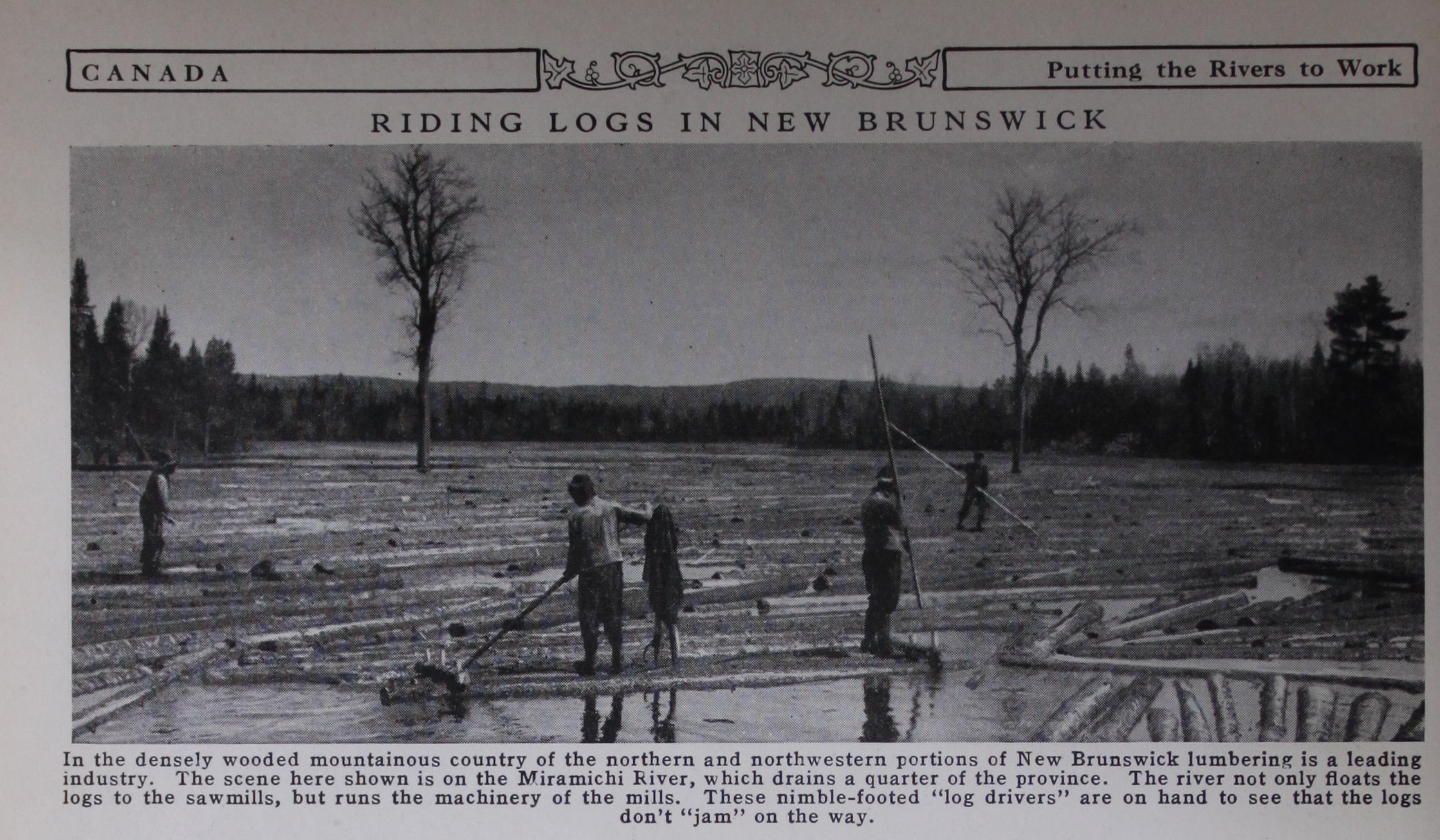
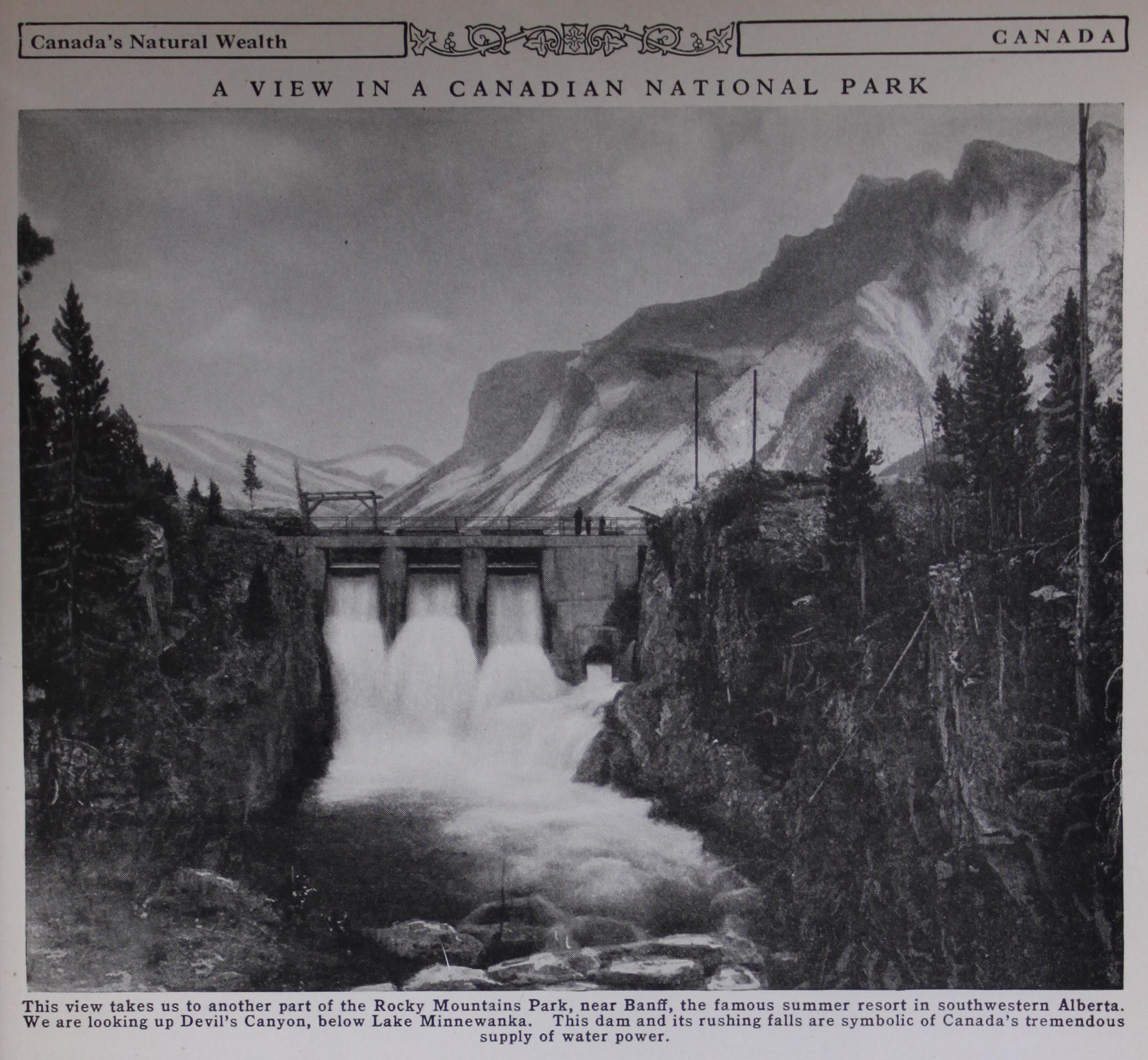
This unrivaled water system, in addition to its services in temper ing the climate and providing transporta tion, furnishes the Dominion with one of the greatest potential sources of power. In the peopled parts of Canada alone it is estimated that more than 8,000,000 horse power is available—enough to turn the wheels of all the nation's industry when once it has been harnessed by hydroelectric plants. Seventy-five per cent of the power used in Quebec is already drawn from this source, and as yet only a small fraction of the avail able power has been developed.